Trauma changes how we move through the world.
TRAUMA + NERVOUS SYSTEM
Sometimes we can clearly connect what we’re feeling to what we’ve been through. Other times, we just know that our minds and bodies are responding in ways that are hard to understand — and hard to change.

Trauma doesn’t always look like trauma.
You might know exactly which experiences have stayed with you. Or you might look back on things you once accepted as “just how it was” or “the way we did things” and understand them differently now that you have some distance.
Sometimes we adapt so completely to the environments, relationships, or expectations around us that we don’t recognize their impact until much later. What felt normal then can look very different from where you’re standing now.
And sometimes you don’t have a clear explanation at all. You just notice yourself staying on alert, shutting down, disconnecting, avoiding, overthinking, trying to stay in control, or reacting before you have much say in it.
There’s usually a reason our minds and bodies learned to respond the way they do.
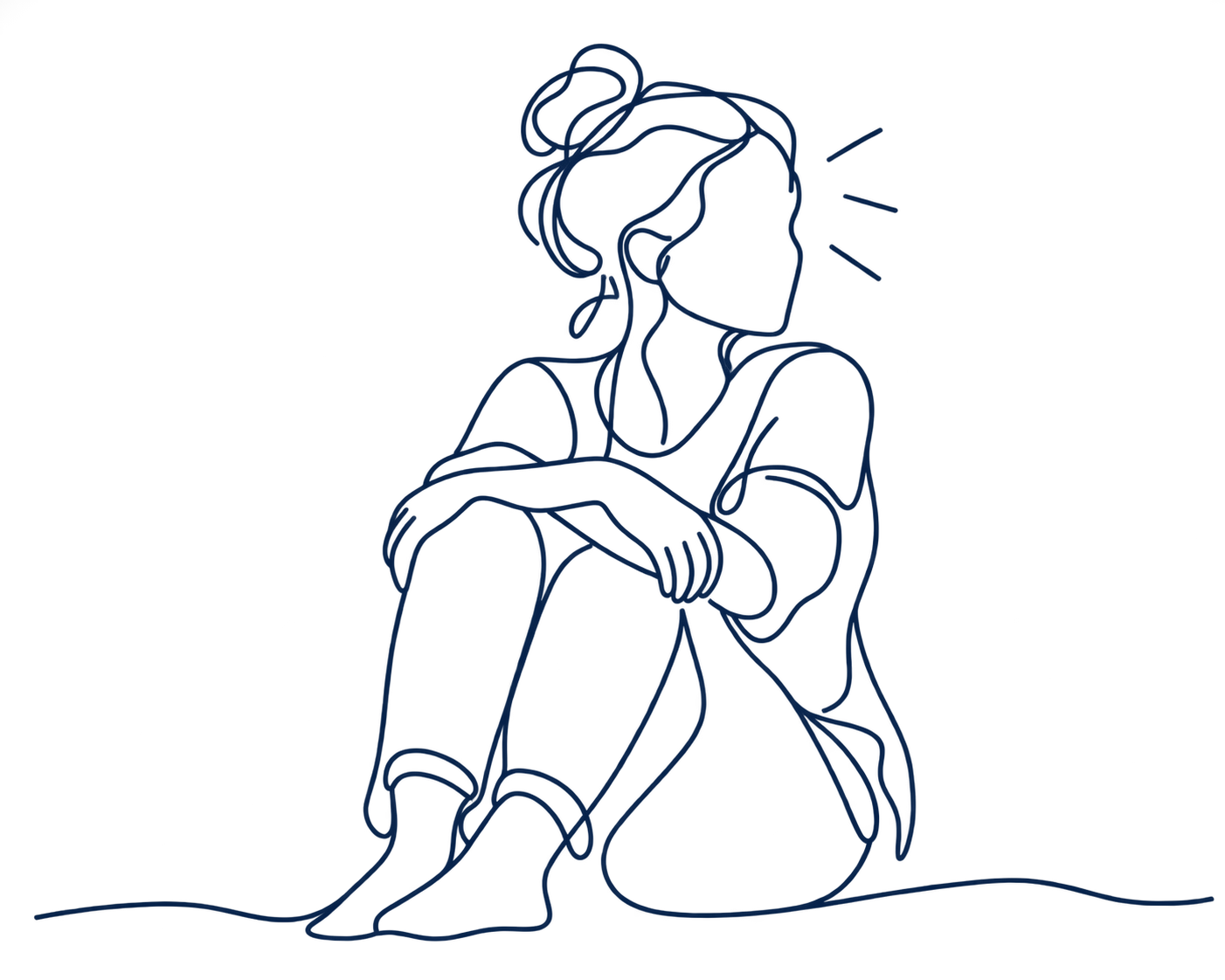
Sometimes the response sticks around.
Feeling watchful, easily startled, restless, irritable, anxious, or unable to fully settle.
Always on alert
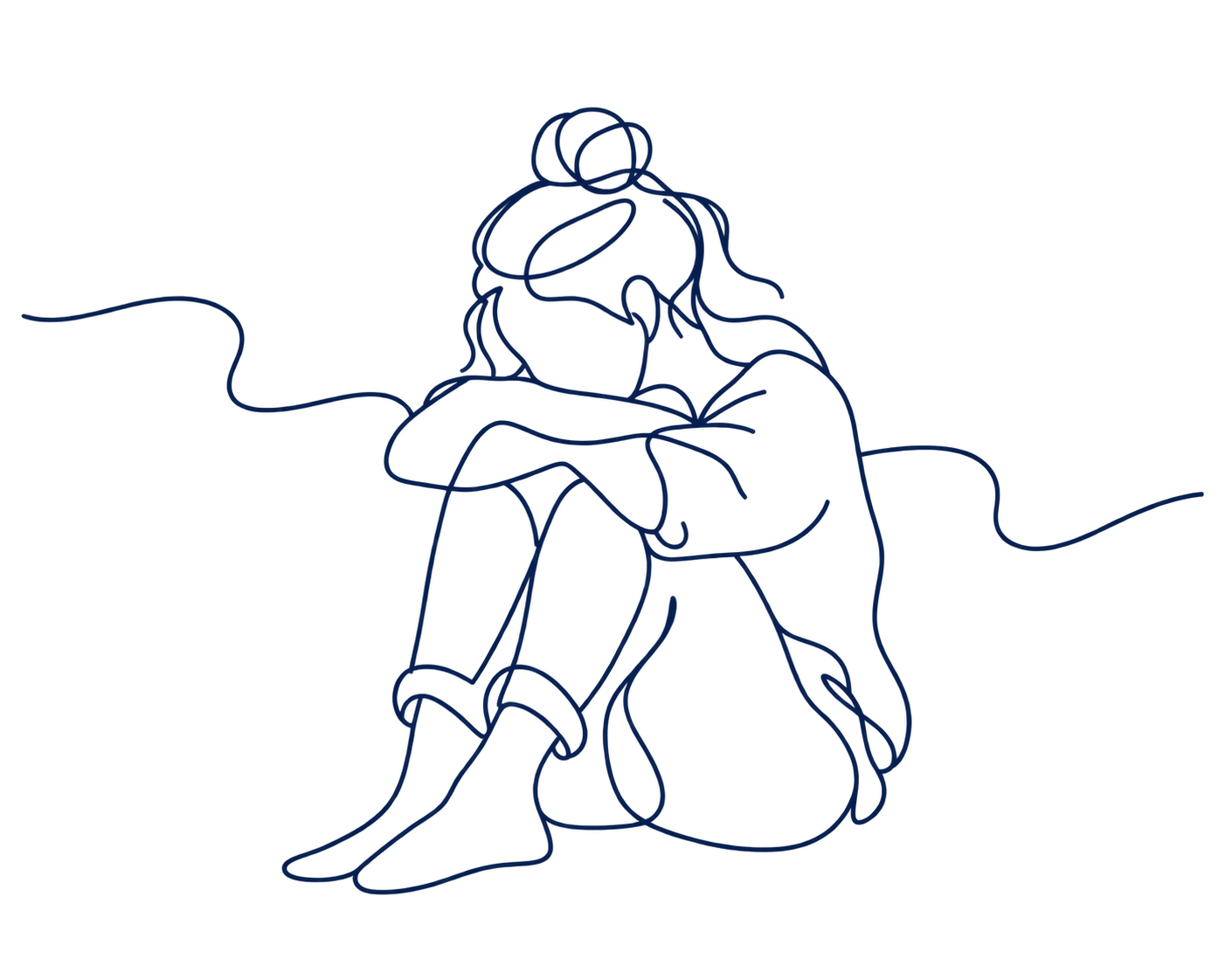
Shutting down or disconnecting
Going blank, feeling numb or far away, losing track of what you’re feeling, or finding it hard to stay present.
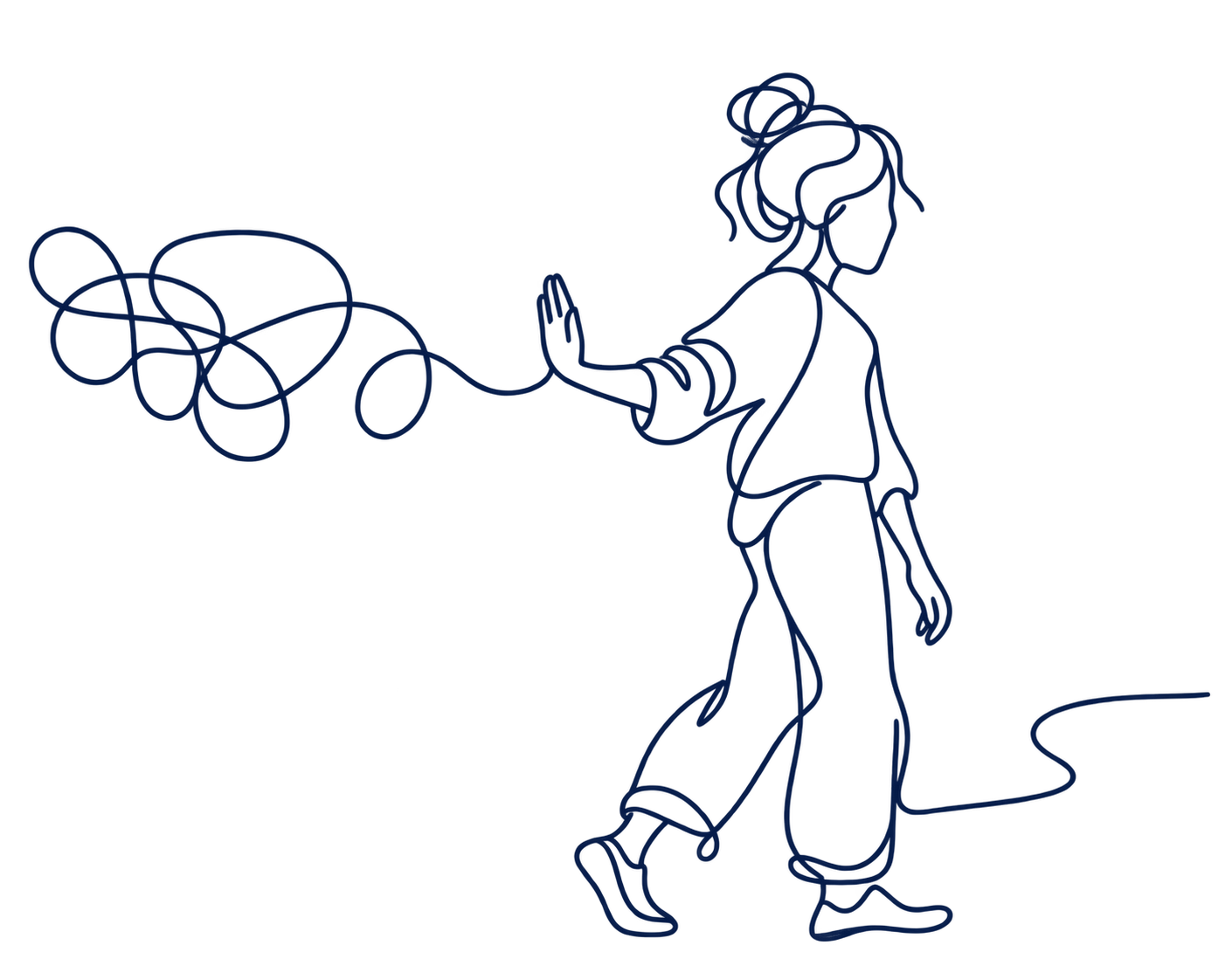
Avoiding what feels like too much
Steering clear of certain situations, conversations, sensations, memories, or experiences because of what they bring up.
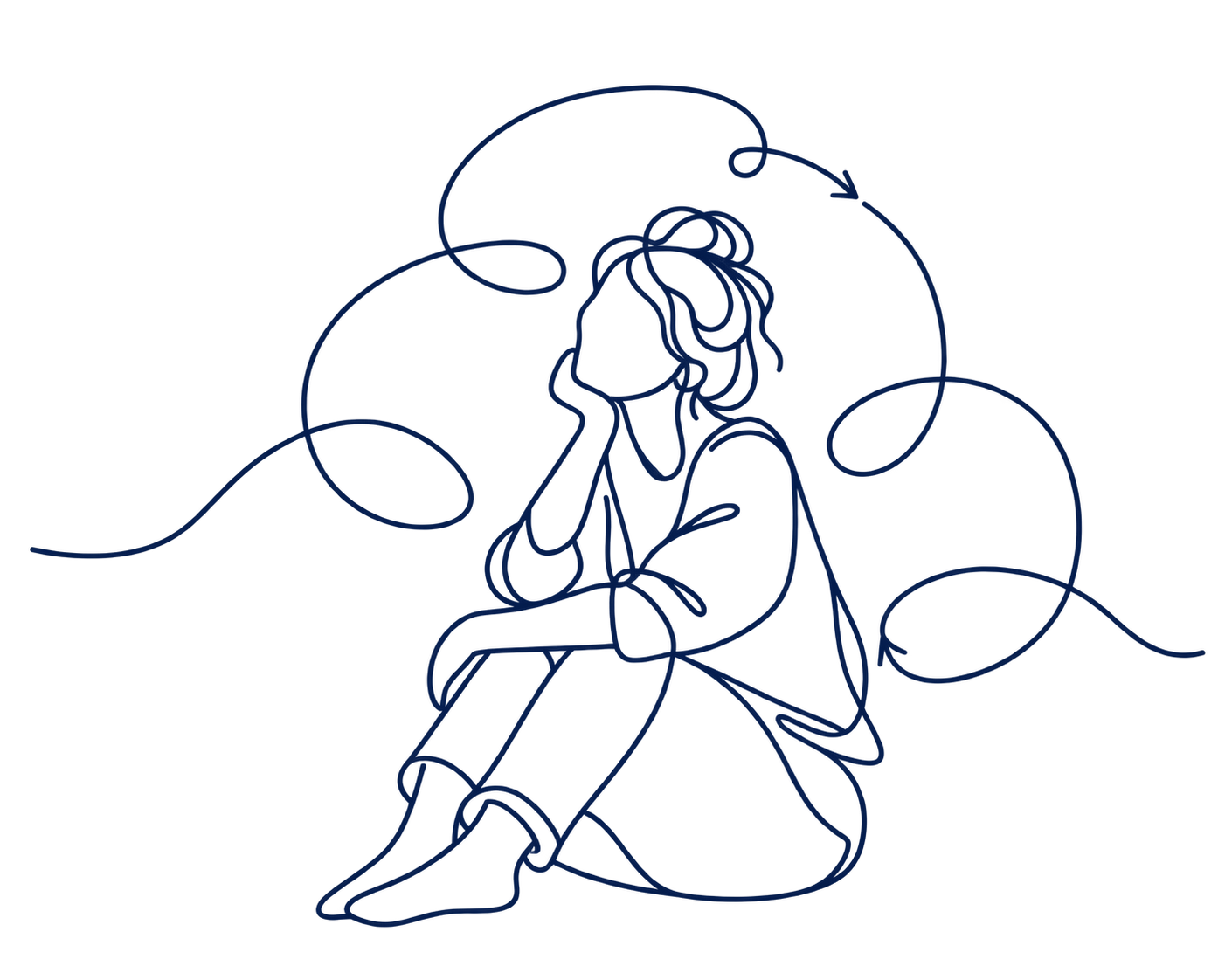
Reactions, relationship dynamics, beliefs, or ways of coping that you learned along the way—and may not have realized you were carrying.
Patterns that keep showing up
Trauma work doesn’t have to look one particular way.
Talking about what happened can be helpful, but it isn’t the only way to work with trauma. Sometimes the work is about understanding patterns. Sometimes it’s processing experiences that still feel present. And sometimes we pay attention to what’s happening in the body—not just the story we can tell about it.
Therapy that starts with you.
There isn’t one right way to work through trauma. We’ll pay attention to what you’re noticing, what feels manageable, and what seems to be getting in the way. We’ll figure out what makes sense for you as we go.
EMDR
EMDR uses bilateral stimulation to help process experiences that continue to affect you in the present. We can work with memories, emotions, beliefs, and body sensations without relying only on talking through every detail of what happened.
Safe and Sound Protocol
SSP is a therapeutic listening program that uses specially filtered music to work with the nervous system. It can be incorporated into therapy to support regulation and increase capacity for connection and engagement.
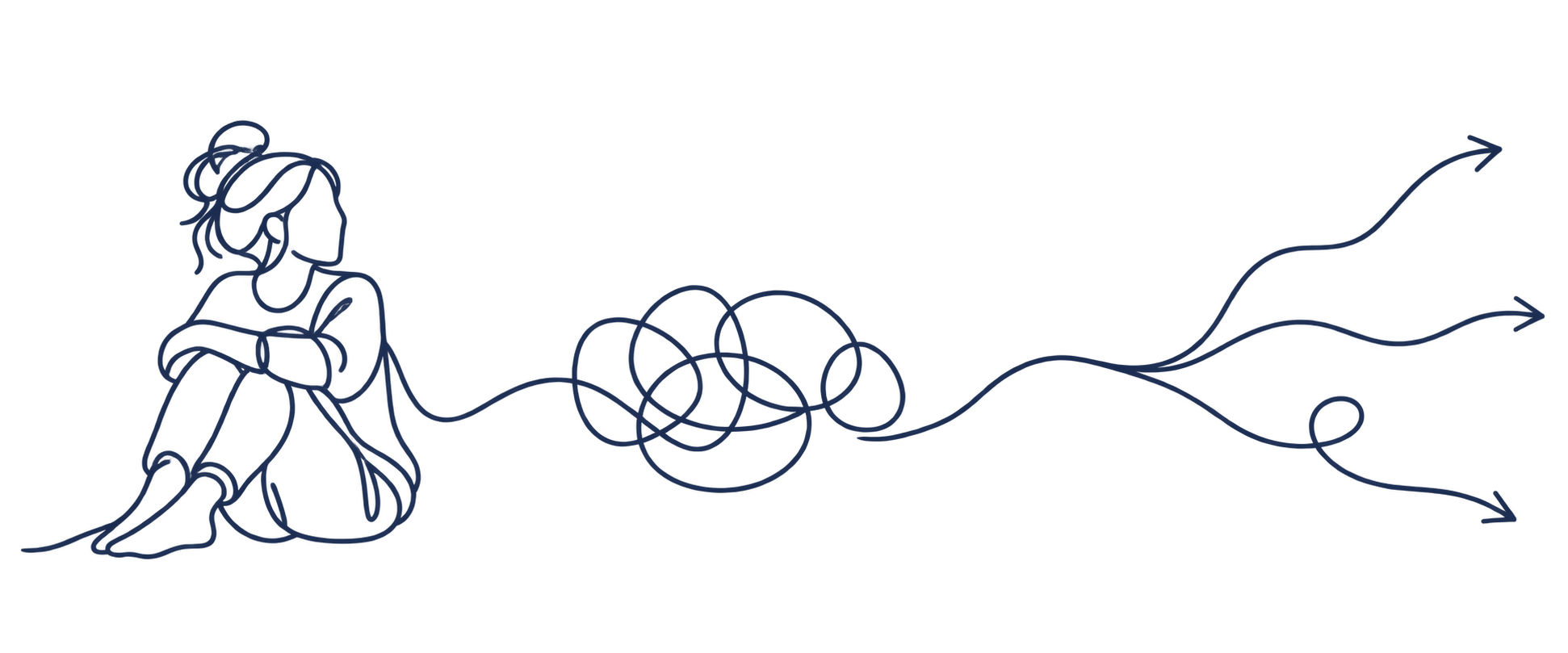
What happened matters. And so does what comes next.
Trauma changes us. Therapy isn’t about pretending it didn’t happen or trying to get back to who you were before.
It can be a place to understand how your experiences have shaped you, process what’s sticking around in ways you don’t want it to, and make more room for choice in the ways you respond—to your thoughts, your body, your relationships, and the world around you.